Window Shutters - External Shutters - Decorative shutters - Plastic Shutters by Simply Shutters UK


Shutter Terminology

May 06 2008

Category: Helpful

Shutter terminology can be confusing and the various terms and words are explained below.

Bracket : A mounting for decorative (non functional shutters) to keep the shutters onto the wall. These can take many forms.

Carcass : The body of the shutter.

Espagnolette : Espagnolette bars have a central handle that rotates to simultaneously send two long bolts into the top and bottom of the window reveal.

Frame : Not to be confused with the frame of the shutter even though the same word is used. This is the outer frame of a shutter assembly that sits within the reveal that shutters are hinged to. A frame is used to ‘square’ off a window reveal that is unlikely to be square where the shutters are to be installed within the reveal. Not all applications require a frame to house the shutters and are most commonly found on interior shutter installations.

Hinge : The bit that actually fastens onto the shutter to allow it to swing on the pintel.

Holdback : Also known as a tie back or shutter dog (USA). Holdbacks keep the shutters to the wall when the shutters are in the open position and stops the shutters from blowing about in the wind. These can take many forms but they all do the same job.

Lintel : The underside of the window reveal above your head.

Louvre : (Also known as louver/slat/blade). The louvre forms the internal structure of a horizontally slatted shutter. Contrary to common belief louvres can be mounted vertically or even diagonally for effect!.

Mouse-hole : The small slot with a curved edge that has been cut into the rail to accommodate the tilt rod when the louvres are in the closed position.

Panel : The name given to a solid style of shutter (not louvred).This can also be the name given to a single leaf or wing.

Piano Hinge : A long hinge running vertically up the stile that allows another shutter leaf to be connected to it to make a bi-folding shutter.

Pintel : An ‘L’ shaped fixing into the wall that accommodates the hinges that are mounted on the shutters. The long leg of the ‘L’ fixes into the wall with the short leg sticking vertically upright.

Pintel Plate : Does the same job as the pintel except that this is mounted onto a backing plate that is then fixed to the wall.

Profile : The shape of the material (when viewed end on) used to make any particular part of the shutter itself or shutter frame.

Rail : The horizontal part of the frame that makes the top and bottom of the shutter,

Rebate : (Rabbit-USA). A rebated edge can be given to shutter wings to allow them to lock together or close against each other when closed over the window. Rebated edges will need to be the reverse of each other to be effective i.e. left and right handed rebates.

Recess : The depth that the window is set back from the edge of the facing brickwork.

Reveal : This is the hole in the wall that accommodates the window frame.

S Hook : A type of holdback made in an ‘S’ shape. The S has uneven curves and rotates around a pintel so that it always settles in the upright position. To free the shutters from behind it, the S hook is rotated into a horizontal position that allows the shutter to pass.

Shutter stop : A small block that allows a shutter to stop in a given position usually mounted on the windowsill or under the lintel.

Slide bolt : A bolt that locks the two shutters together. Slide bolts differ from ordinary bolts as they are of a flat rather than circular design.

Stile : The upright or vertical part of the shutter frame.

Strap Hinge : A long hinge that fixes onto the rail as well as the stile for added strength.

Tilt rod : The bar that connects to the louvre blades to allow rapid positioning, opening or closing of all the louvres simultaneously

Track :    Where the reveal is very wide or the shutters are too heavy to be hinged, a track is used to support the weight of the shutters. This can be mounted above or below the shutters or both.

Wings :    Also known as leafs or panels. Shutters can be made from any number of wings that hinge together. Bi-fold shutters have 4 wings (2×2) whereas tri-fold have 6 wings (2×3).


Exterior / External Window Shutters - A short history.

May 06 2008

Category: Helpful

External or exterior window shutters as they are more commonly known were thought to of have originated in ancient Greece. In those ancient times glass, as a window covering, had not been invented so shutters were used to keep out the elements during the winter months as much as keeping the property cool during summer and to provide a degree of privacy.

The Ancient Egyptians invented glass for use in windows during the Roman occupation and it was the Romans who were responsible for transporting this new technology around their Empire.

With the advent of glass windows the reliance on shutters receded and it was not until more modern times that shutters installed within a room became popular. Interior shutters were often chosen as a replacement for curtains in countries where the climate was moist and humid and where insects might decide to make a home in any curtain material or even lunch out of it!

The Georgians were responsible for designing homes with shutters as a standard feature so that we now accept shutters as traditional part of British architecture It was the British during the Georgian era who exported this feature to the New World and places such as Georgetown, Savannah and Charleston (North America -USA) are still dominated by English architecture of this bygone age that are testimony to this.

Shutters are extremely popular the world over. Shutters on the outside of properties are more popular in locations that are extremely hot or suffer from bad weather. Shutters for the inside are found in every location, in just about every country as these take the place of curtains. It is almost impossible to see into a room during the day that has interior shutters installed even though the louvre blades might be open. The open louvre blades allow light to pass into the room whilst retaining privacy.

Fully operational exterior shutters are best installed where there is a deep recess and the opening (reveal) is not too wide. Homes in Mediterranean countries such as Italy for example have tall, relatively narrow, deeply recessed windows that open into the room. This allows the shutters to be easily operated from inside the room without the windows taking up too much space within the room itself when opened.

Here in the UK, most shutter installations are either interior or exterior decorative (non functional) in nature. This is because our windows are wide and relatively short with little or no recess. To make matters more complicated, most of the windows found in the UK open away from the building so making manual shutter operation from within the room impossible. Motors and other devices are available to get around this issue but this adds considerably to the cost

Exterior shutters tend to have louvres that are fixed in position and do not move although it is also quite common to see exterior shutters with adjustable louvre mechanisms.


Shutters - A concise history

Mar 26 2008

Category: Uncategorized

Window shutters were originally created to keep out the elements and to allow a degree of privacy in the home.

It isn’t certain, but many believe the original window shutters came from ancient Greece and were made with marble louvres.  These shutters were ideal for keeping out the heat but were expensive to make.  However, the trend quickly caught on and spread throughout the Mediterranean where the material was changed to wood to be more affordable for the masses.  This had the added advantage that the wood could be coloured to match or contrast with the home and made individual to the owner’s taste.

Later, the louvres were adapted so they could be moved to adjust to the owner’s taste for the amount of light and air they let in.

By the time of the Tudors and the Elizabethans, the shutters had been altered again when they tried glass shutters.  Again, this was more expensive so they started to have the upper half made of glass and the bottom half was made of wood.  This construction meant the windows stayed shut.

With the invention of the hinge, the solid wood was replaced with glazed glass that could be opened and window shutters then became more decorative, used on the inside of the windows.

In the Victorian period, this is when people started to use shutters outside the windows for decorative purpose, and it is still an attractive feature many people like to use now.


How to get perfect window shutters

Mar 26 2008

Category: Uncategorized

When looking round for window shutters, regardless of the style and the colour you choose, many people worry about how they can maintain the neat, overall effect that decorative shutters give.

In the days when window shutters were originally introduced, houses were all uniform and the window openings were the same size, however, in today’s modern society this is no longer the case.  Many homes have different sized windows throughout, so what do you do if you want window shutters?

Following the below steps will ensure you get the desired look:

Keep all the shutters to the same width.

If you must vary the width for whatever reason, try to have one width on the ground floor and another on the first floor.

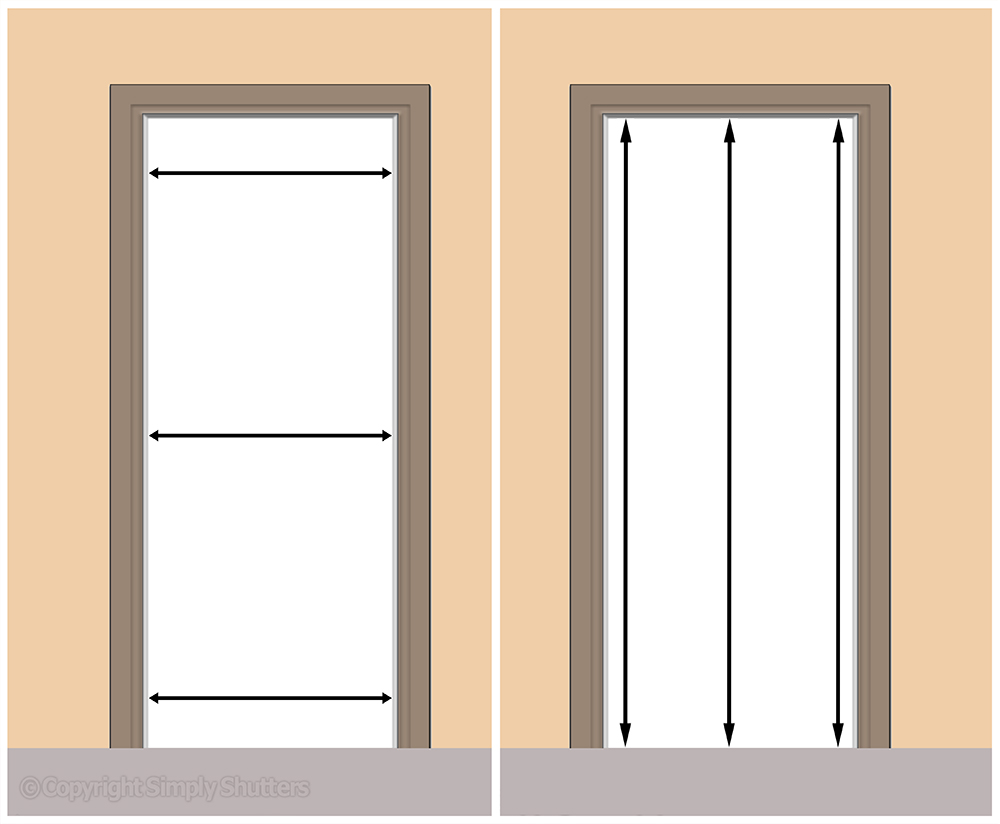
Make sure the windows are measured properly.  Follow the guidelines given on the site and measure outside the window and always measure both sides because many windows are uneven.


Choosing a colour scheme for your window shutters

Mar 26 2008

Category: Uncategorized

When deciding what colour to have your shutters you’ll need to consider two factors, the architecture of your home and the style of the properties in your neighbourhood.

Historical, classical styles homes such as Georgian architecture benefit from shutters in the same original colour schemes as the homes.

Victorian properties tend to be more colourful and vibrant, thus colouring your shutters can be a skilled job and requires a professional colourist.

More modern properties tend to have richer colour schemes so require shutters to match.

Whichever colours you opt for when choosing colour schemes for your window shutters, be sure that the colours are in keeping with your property and the properties in your neighbourhood.


Wood or Vinyl Window Shutters?

Mar 26 2008

Category: Uncategorized

Two of the most popular materials for window shutters are vinyl, and the more traditional wooden variety. Which material suits you best depends on the style and décor of your home, as well as how much maintenance you’re willing to do.

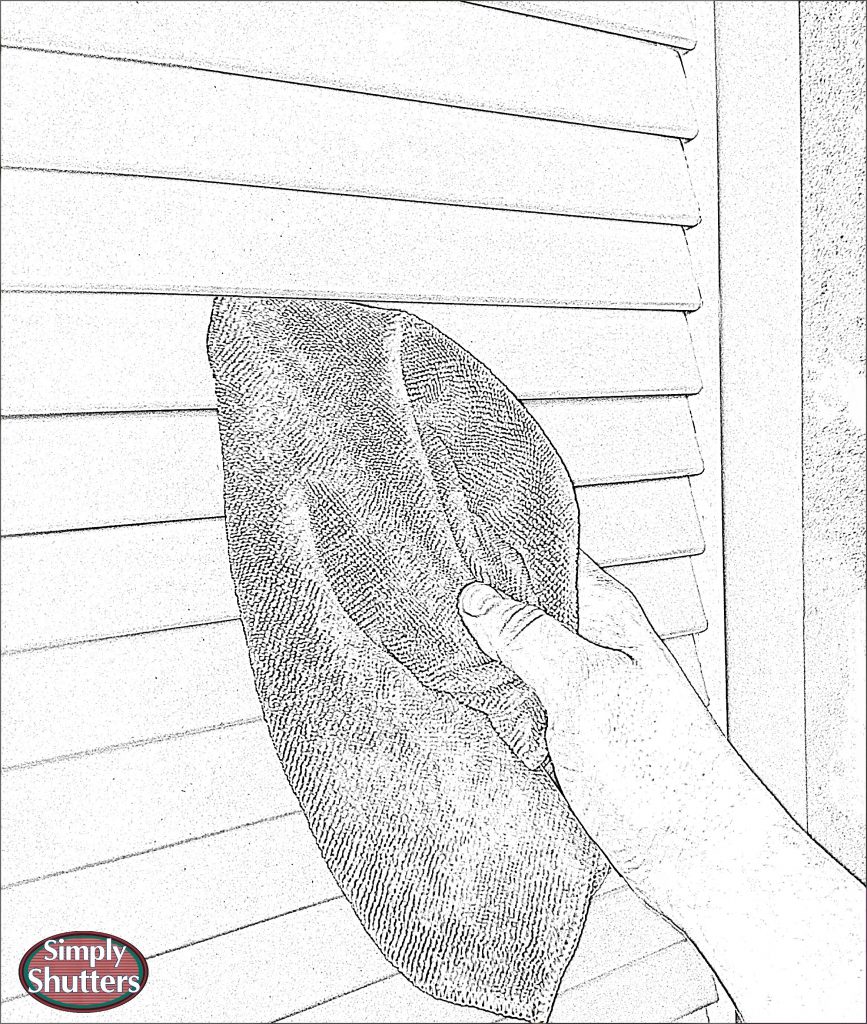
Vinyl shutters are definitely the cheaper option for anyone on a tight budget, but don’t let their inexpensive nature fool you into thinking they’re of poorer quality; vinyl shutters can last a very long time. They also require very little care as just a light wash once in a while will suffice.

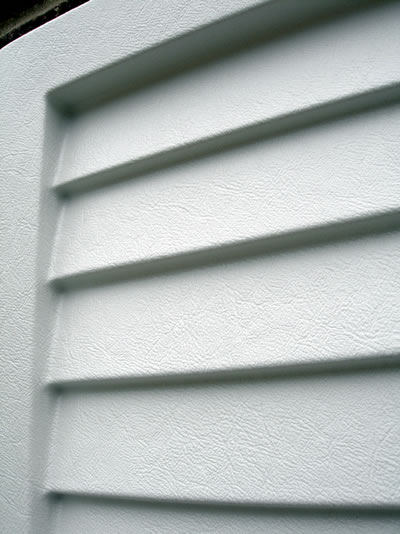
Visually vinyl shutters can look as good as wooden ones too, so long as you don’t look too closely.

Wooden shutters are also relatively cheap as the material isn’t that expensive to buy. They make for the most attractive shutters too as wood is very flexible. The biggest disadvantage with wooden shutters is that they require the most maintenance, forcing you to care for them regularly with paint or wood stain.

Whichever you choose, both vinyl and wooden shutters will make an attractive addition to your home.


« Previous Page